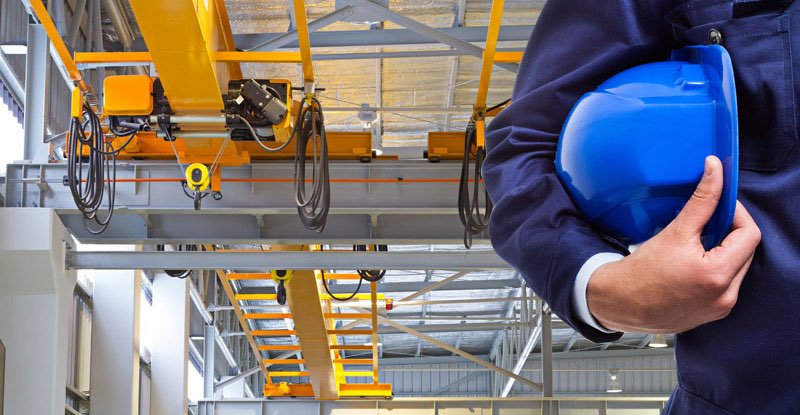
Overhead cranes are the backbone of many industrial operations. When they fail, production halts, revenue drops, and—most importantly—employee safety is compromised. While routine scheduled maintenance is mandatory, cranes often give subtle hints that something is wrong long before a scheduled shutdown.
Whether you are a facility manager or a crane operator, identifying these five signs early can save you thousands in repair costs and prevent dangerous accidents.
1. Abnormal Noises During Operation
Your crane should run relatively smoothly. While heavy machinery is never silent, it should not be screeching, grinding, or clanking. Sound is often the first indicator of mechanical distress.
- Grinding or Screeching: Often indicates worn bearings in the wheel assemblies or a misalignment between the wheels and the runway rail.
- Clicking or Clunking: Could point to a damaged gear tooth in the hoist gearbox or a flat spot on a wheel.
- Humming or Buzzing: Usually an electrical issue, such as a motor trying to start with a seized brake or single-phasing.
Pro Tip: If the noise rhythm changes with speed, the issue is likely in the rotating components (wheels, gears, motors).
2. Wire Rope Defects
The wire rope is the single most critical component for lifting safety. Unlike solid steel bars, wire ropes are complex assemblies of moving parts. Damage here is non-negotiable and requires immediate attention.
Look out for:
- Broken Wires: If you see individual wires snapping (porcupine effect), the rope's strength is compromised. ISO 4309 standards dictate specific discard criteria based on the number of visible breaks.
- Kinking or Bird-caging: This deformation permanently damages the rope structure, often caused by sudden shock loads.
- Corrosion: Internal rust can be invisible but fatal. External rust that causes pitting is immediate grounds for replacement.
Unsure if your rope is safe? Use our Wire Rope Calculator to verify you are using the correct diameter and grade for your duty class.
3. Excessive Hook Drift or Load Slip
When you release the control button, the load should stop instantly. If the load continues to coast downwards or drifts (slips) slowly while holding, your braking system is failing.
This is typically caused by:
- Worn brake linings (friction discs).
- Incorrect air gap adjustment in the brake assembly.
- Weakened brake springs or hydraulic thruster failure.
Immediate Action: Do not use the crane. A slipping load is a major safety hazard. Verify your brake sizing requirements using our Brake Torque Calculator.
4. Uneven or "Skewed" Travel
Does your crane seem to "crab" or move diagonally down the runway? Does it make loud banging noises as it passes certain columns? This is known as skewing.
Skewing is dangerous because it puts immense lateral stress on the runway beams and the building structure itself. It is often caused by:
- Drive motors operating at different speeds (VFD synchronization issues).
- Worn drive wheels having different diameters.
- Misaligned runway rails (span deviation).
5. Visual Wear on Wheels and Flanges
Crane wheels are hardened to withstand heavy loads, but they are not indestructible. Inspect the wheel flanges (the rim that keeps the wheel on the rail).
If you see shiny metal shavings or excessive wear on the inside of the flange, the crane is not tracking straight. This accelerates wear on both the wheels and the expensive runway rail. In severe cases, a worn flange can break, causing the crane to derail.
Summary
Your EOT crane talks to you through sound, movement, and visual wear patterns. Ignoring these signs allows small problems to snowball into expensive repairs or safety incidents.
If you notice any of these signs, contact a certified service provider immediately. Regular inspections and using properly engineered components are your best defense against downtime.
Need Replacement Parts?
Find verified suppliers for wheels, ropes, and motors in our industry directory.
Browse Manufacturers